Navigating global higher education can be complex but with AIP Education, you're never alone. Since 2013, we've been guiding students toward top universities across Australia, the UK, USA, New Zealand and Canada with trusted expertise and personalized support.
Test Preparation
Study Abroad
AIP Education is committed to upholding the highest standards in international student recruitment. We adhere to the principles of the Agent Quality Framework (AQF), ensuring ethical practices, transparency, and professionalism in all our services. Our student advisors are trained and certified to provide accurate and reliable guidance to students.
© 2026 AIP Education. All rights reserved.

Turn your dream into reality with the world’s largest higher education system, flexible study pathways, and up to three years of post-study practical training in the United States.
The United States is the world’s most popular study destination for a reason: over 4,000 accredited universities and colleges, unmatched flexibility in what and how you study, world-leading research, and up to three years of post-study practical training for STEM graduates. Whatever your budget or academic profile, there is a genuine pathway in the American system.

The World’s Largest Higher Education System
More than 4,000 accredited institutions, from community colleges to world-famous research universities. American degrees are recognised and respected by employers everywhere.
Flexibility Found Nowhere Else
Change majors, combine subjects, and transfer credits between institutions. The 2+2 community college pathway lets you complete the same bachelor’s degree at a fraction of the usual cost.
Up to 36 Months of Practical Training
Optional Practical Training (OPT) gives 12 months of work authorization after graduation, and eligible STEM graduates can extend it by a further 24 months — more than almost any other destination offers.
Research and Funding Opportunities
American universities lead the world in research output, and graduate students in STEM fields frequently secure teaching or research assistantships that include a tuition waiver and stipend.
A Large, Established Nepali Community
Nepali student associations operate on campuses across the country, and established communities in most major cities make settling in, finding housing and building a network far easier.
Career Value That Lasts
American qualifications, internship culture and campus career services produce graduates with practical experience, professional networks and a degree that carries weight worldwide.
Planning to study in the USA? The American system has the widest price range of any study destination in the world — and that is good news, because it means the USA fits more budgets than students expect. International students need to budget for tuition, living expenses, compulsory health insurance, books and everyday spending.
Tuition depends almost entirely on institution type. Community colleges typically charge USD 8,000–16,000 per year, public state universities USD 20,000–40,000, and private universities USD 35,000–65,000 or more. The 2+2 pathway — two years at a community college followed by transfer into a four-year university — can reduce the total cost of a bachelor’s degree by USD 35,000–50,000, with the final degree certificate issued by the university.
Living costs vary by region more than in any other country. Midwest and Southern college towns run roughly USD 850–1,300 per month, while New York, Boston and San Francisco run USD 1,900–2,800. Health insurance is compulsory at almost every institution and costs USD 1,500–3,000 per year.
For your visa, your financial documents must support the official Cost of Attendance figure printed on your Form I-20 — the institution’s combined estimate of tuition and living costs. Government fees are separate: the SEVIS I-901 fee of USD 350 and the visa application (MRV) fee of USD 185.
The USA offers globally recognised programmes across every field. Popular choices among Nepali students include Computer Science and IT, Business and Management, Engineering, Health Sciences and Nursing, and Data Science. STEM-designated programmes carry a further advantage: eligibility for the 24-month extension to post-study practical training.
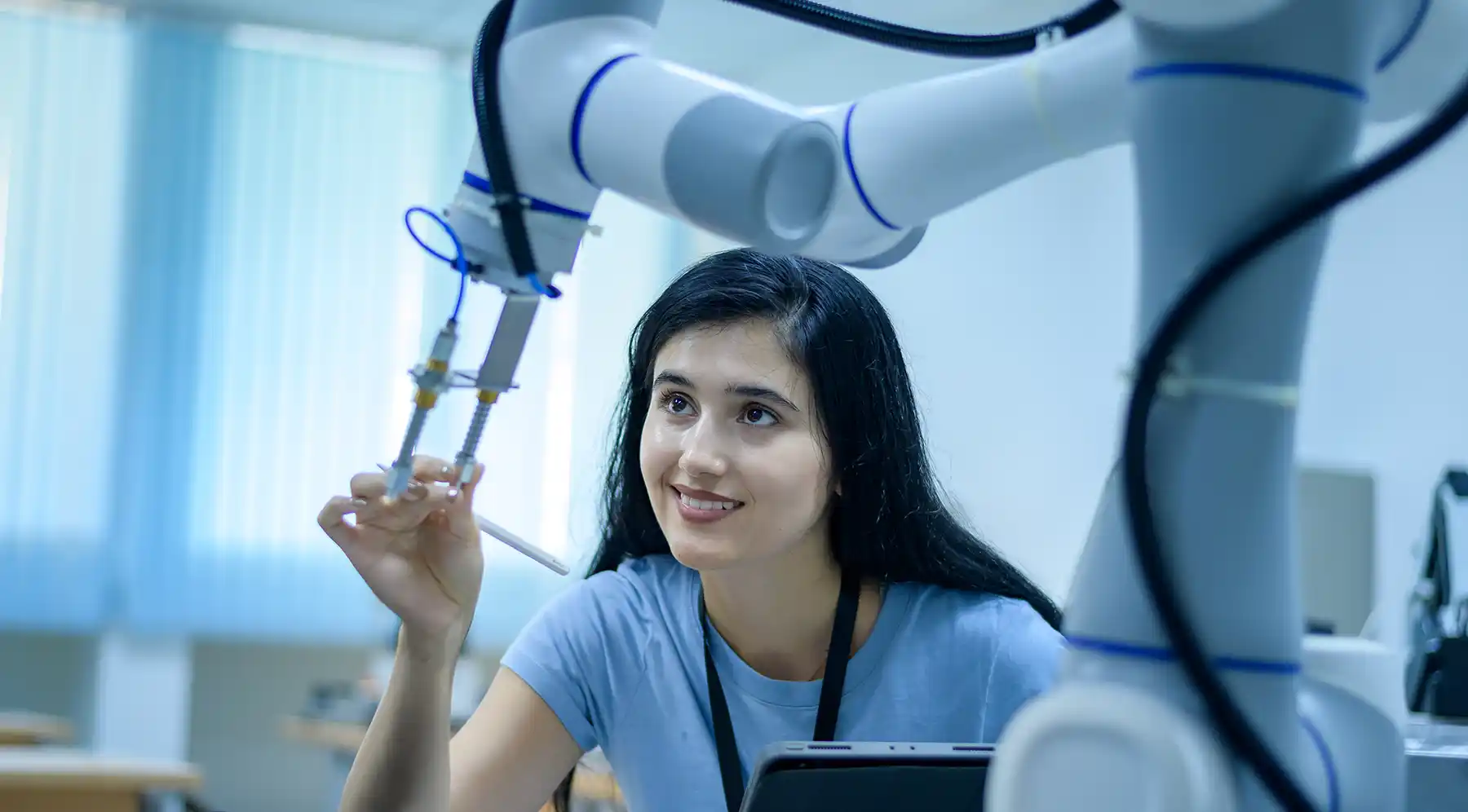
Study engineering programmes designed to build problem-solving abilities for success in various global industries.

Develop strong leadership and management abilities to succeed across diverse global business industries worldwide.

Learn cutting-edge computing skills at the heart of the world’s technology industry, with strong STEM OPT outcomes.

Build a career in one of America’s largest employment sectors through nursing, public health and allied health programmes.

Develop creative skills through hands-on, portfolio-driven programmes connected to world-leading creative industries.

Master the most in-demand skill set in the global economy through STEM-designated analytics programmes.
The American system has no single national league table — what matters is accreditation, fit and funding. Regionally accredited universities and colleges, whether public or private, award degrees recognised worldwide, and SEVP certification is what allows an institution to enroll international students.
Public state universities offer strong programmes at moderate cost, with flagship campuses ranking among the world’s best. Private universities charge more on paper but often award substantial aid, sometimes bringing the net cost below a public option. Community colleges provide the most affordable entry point, with formal transfer agreements into four-year universities.
Our counsellors help you shortlist by what actually determines your outcome: accreditation, programme strength in your field, realistic admission chances, total cost after aid, and — for STEM students — whether the specific programme appears on the STEM Designated Degree Program List.
Fall (August/September) is the main intake, with the widest programme choice, the largest scholarship rounds and the biggest incoming class. Most competitive programmes and nearly all funded graduate places admit for Fall.
Spring (January) is a genuine secondary intake at many institutions, well suited to students who need more time for English testing or financial documentation. Summer (May) intakes exist for selected programmes, mainly at community colleges.
Start the process 10–12 months before your intended intake: American applications involve more components than most destinations — transcripts, standardised tests where required, essays and recommendation letters — and scholarship deadlines close months before classes begin.
American institutions award more financial aid to international students than any other country’s — but it is spread unevenly, and finding it takes strategy. Merit scholarships at admission, need-based aid at selected private universities, athletic and talent awards, and departmental scholarships all exist for international applicants.
At graduate level, teaching and research assistantships change the equation entirely: many include a full tuition waiver plus a living stipend, particularly in STEM fields. A funded place at one university can cost less than an unfunded place at a far cheaper one — which is why we advise applying where funding exists, not where the sticker price is lowest.
All scholarships carry their own eligibility criteria, are competitive, and are never guaranteed*. Our counsellors assess your profile against awards you realistically qualify for and time your applications against the earliest deadlines — at no separate charge.
*Scholarship amounts, criteria and deadlines are set by each institution and change annually. Always confirm details on the institution’s official page.
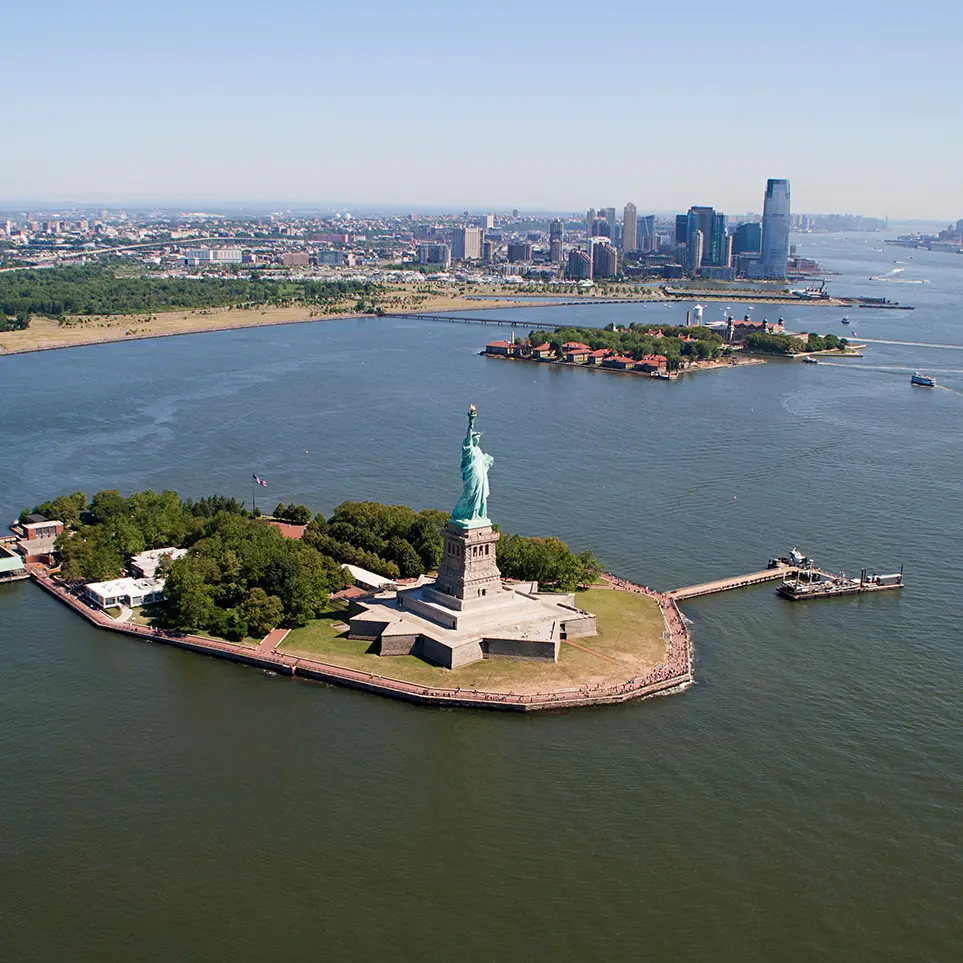
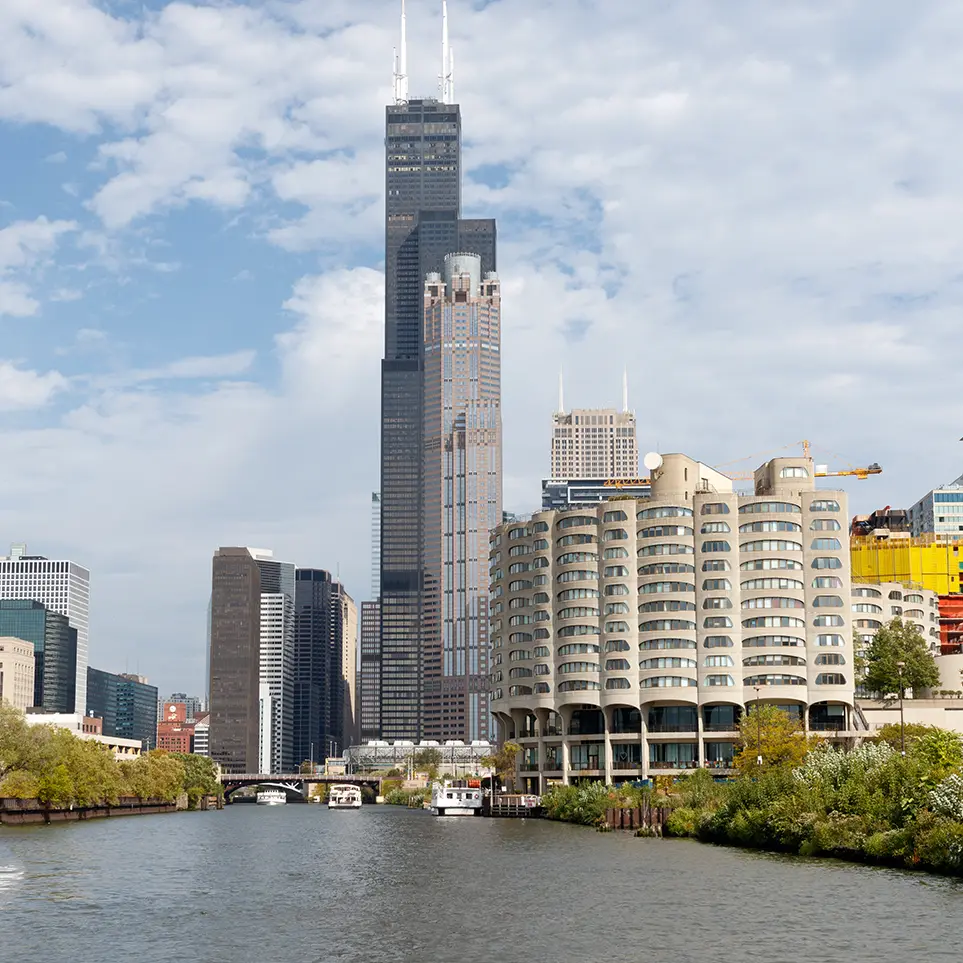
The East Coast’s academic and financial capitals, with the densest concentration of universities in the country and excellent public transport. Living costs are among America’s highest — budget USD 1,900–2,800 per month — but no car is needed, and internship access is unmatched.
California pairs world-famous universities with the global technology industry; Texas offers strong public universities, a booming job market and noticeably lower living costs. Both host large Nepali communities.
The best-kept secret of American education. University towns across Ohio, Michigan, Kansas, Georgia and beyond offer respected public universities with monthly living costs of USD 850–1,300 — often less than half of the coastal cities — and campuses where the university is the centre of town life.


Studying in the USA is easier with step-by-step guidance. Students enrolling in a full-time academic programme need an F-1 student visa, and the process runs through your institution, the SEVIS system and the U.S. Embassy in Kathmandu. Here’s how it works:
Secure admission at an SEVP-certified institution and submit financial documents covering the published Cost of Attendance. The institution registers you in SEVIS and issues your Form I-20 — check every detail on it against your passport.
Pay the USD 350 SEVIS fee at the official fmjfee.com portal using the SEVIS ID on your I-20, and keep the receipt for your interview.
Complete the DS-160 online application accurately — it is cross-checked against your I-20 and interview answers — and pay the USD 185 MRV visa application fee.
Interviews are short and decisive. Be ready to explain, in your own words, why this university, why this programme, how it is funded, and your plans after graduating. We run mock interviews with every applicant.
Once your visa is granted, we guide you through insurance, accommodation, banking, flight planning and arrival — including the entry rules that apply from your first day in F-1 status.
Optional Practical Training (OPT) allows eligible F-1 graduates to work in the United States for up to 12 months in a role directly related to their field of study. Graduates of programmes on the STEM Designated Degree Program List can apply for a further 24-month extension — up to 36 months of practical training in total, more than almost any other destination offers.
During your studies, Curricular Practical Training (CPT) allows internships and co-op placements that are part of your curriculum, and on-campus work of up to 20 hours per week is generally permitted during term. Planning matters: 12 months of full-time CPT removes OPT eligibility, and whether your programme is STEM-designated is decided by its official classification — something to confirm before you enrol, not after. Our counsellors check this for every USA applicant.
Join students from around the world who have turned their study abroad dreams into reality with AIP Education. From securing university admissions to visa approvals, we guide you at every step. Explore their journeys and start your own success story today.
Join students from around the world who have turned their study abroad dreams into reality with AIP Education. From securing admissions to student visa approvals, we guide you at every step.
13+
Years of Experience
5000+
Students Served
Knowledge Trained, Professional Counsellors
AIP Education is committed to ethical student recruitment, transparency, and professional guidance. Our team provides accurate information on USA admissions, F-1 student visas, practical training eligibility, and study options, ensuring students can make informed decisions throughout their study abroad journey.
Disclaimer: This page provides general guidance only and is not legal or immigration advice. U.S. student visa rules, fees, admission-period settings, work authorisation and practical training eligibility change frequently — including major changes taking effect on 15 September 2026. Always confirm current requirements on the official Department of Homeland Security (dhs.gov), USCIS (uscis.gov) and U.S. Department of State (travel.state.gov) websites before applying. Visa decisions rest solely with U.S. authorities; no agent or consultancy can guarantee a visa outcome.

Get Expert Guidance
Connect with our experts to plan your study journey and secure a place at a leading American university or college.